
Sustainability · June 27, 2026 · 6 min read
The Long-Term Effects of PFAS Use in Outerwear
For decades, PFAS helped technical outerwear perform. They made water bead on shell jackets, helped ski pants shed snow, improved stain and oil resistance, and supported the waterproof-breathable performance consumers came to expect from premium gear. PFAS worked, which is why they became so common.
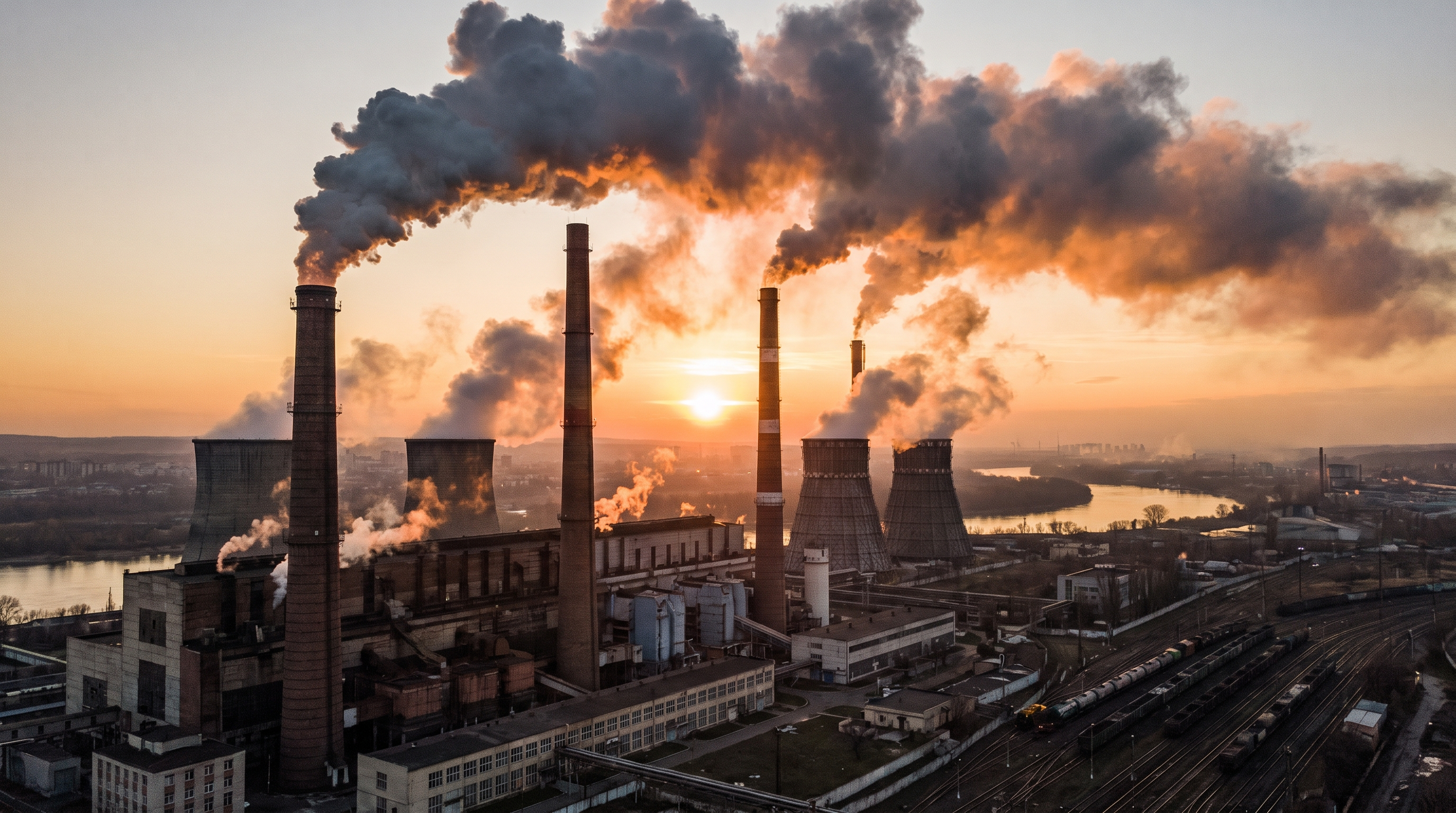
But the same properties that made PFAS useful also created the problem. PFAS are highly resistant to breakdown. Many persist in the environment for years, which is why they are often called “forever chemicals.” Once released, they can move through water, soil, air, wildlife, and people. Over time, decades of use across industries have created a long-term contamination issue that is difficult and expensive to manage.
Outerwear is not the only source of PFAS. These chemicals have also been used in firefighting foams, cookware, packaging, cosmetics, electronics, and industrial processes. But technical apparel has contributed because PFAS were widely used in durable water-repellent finishes, stain-resistant treatments, and some legacy waterproof-breathable membranes.
Why PFAS Matter
PFAS create concern for three main reasons.
First, they persist. Many PFAS do not easily break down, so their impact can continue long after a product is made, worn, or discarded.
Second, they can spread. PFAS can enter the environment during manufacturing, washing, use, disposal, or recycling. Once released, they can move through waterways, soil, and waste systems.
Third, they raise health questions. Research has linked certain PFAS to potential effects on immune response, cholesterol, liver function, thyroid function, development, reproduction, and some cancers. Not every PFAS has been studied equally, but the scale and persistence of the chemical class make long-term exposure a serious concern.
The Hidden Cost of Performance
For years, the outerwear industry measured performance mostly by what a product could do in the moment: keep water out, release moisture vapor, resist wet-out, and stay light. Those things still matter. A technical shell has to work in real weather.
But PFAS have shown that performance cannot be measured only at the point of use. The full cost includes manufacturing impact, chemical persistence, disposal challenges, cleanup costs, and whether a material can fit into a more circular future.
PFAS also make recycling and end-of-life management harder. If a garment contains persistent chemicals, those chemicals can carry into resale, recycling, landfill, or incineration streams. That creates risk beyond the product's useful life.
What the Industry Has Learned
The lesson is not that waterproof-breathable performance is bad. The lesson is that performance has to be defined more completely. A jacket should be waterproof, breathable, durable, and comfortable. But it should also be built with chemistry that does not leave behind a long-term environmental burden.
For 50 years, PFAS-based systems helped set the standard for premium outerwear. Now the industry has to move beyond that standard. PFAS-free materials can no longer be treated as lower-performing alternatives. They need to become the new benchmark: responsible, high-performing, and built for the future of technical gear.
That is the shift InderShield™ was built for. InderShield™ delivers PFAS-free waterproof-breathable performance for premium outerwear brands that want to move beyond legacy fluorinated solutions without compromising protection. The future of outerwear is not just about staying dry. It is about proving that the highest level of performance can exist without the long-term cost of PFAS.